Blog
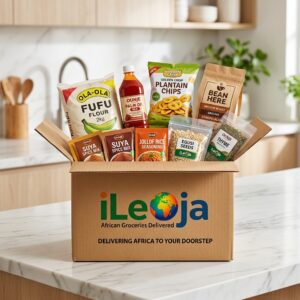
Affordable African Grocery Bundles Now Available in Canada
Quick Answer: Affordable African Grocery Bundles offer a highly cost-effective solution for households across Canada looking to cook authentic meals without paying steep individual retail markups. By choosing a curated grocery box in Canada, shoppers can significantly save money on shipping, reduce kitchen waste, and purchase staple ingredients like grains, meat, and egusi in bulk. These bundles streamline meal planning and deliver substantial savings compared to buying specialty items one by one.
The Economic Reality: Rising Food Costs & Cost of Living in Canada
Over the past few years, Canadian households have faced unprecedented economic challenges. High inflation rates, rising interest rates, and soaring energy costs have squeezed family budgets from coast to coast. According to recent Statistics Canada reports on food inflation, the cost of standard grocery items has risen much faster than average household income. For immigrant communities, particularly those looking for authentic West African, East African, or Central African ingredients, the financial strain is even more pronounced.
Authentic African ingredients must often be imported, meaning they are subject to international shipping surcharges, customs duties, and specialty retail markups. Buying items like yam flour, palm oil, smoked fish, and specific soup ingredients separately at brick-and-mortar stores can quickly add up to an expensive monthly bill. This economic pressure is driving many families to seek smart alternatives, such as curated grocery boxes and bulk purchases, to stretch their grocery dollars further while maintaining their culinary traditions.
Why Buying Curated Grocery Bundles Saves You Money
Curated grocery boxes leverage the power of wholesale purchasing and direct-to-consumer distribution. When you buy a bundle, you are bypasssing multiple intermediate retail margins. Rather than paying individually for packaging, stocking, and separate shipping fees for five different items, a bundle combines these products into a single, optimized package.
For example, instead of buying a single bag of rice, a tiny bottle of palm oil, and a small pouch of ground melon seeds at premium single-item rates, an Affordable African Grocery Bundle groups these complementary products together. This allows merchants to pass wholesale discounts directly to you. In addition, purchasing a grocery box in Canada reduces spontaneous impulse buying at the grocery store, helping you stick to a strict household budget.
Comparison: Buying Individual Items vs. Curated Grocery Bundles
To understand the exact cost differences and benefits, let us compare the traditional method of buying specialty African ingredients individually against purchasing a curated family grocery bundle online.
| Shopping Metric | Buying Individual Specialty Items | Curated African Grocery Bundles | Direct Household Benefit |
|---|---|---|---|
| Average Item Unit Cost | High (includes individual retail markup and handling) | Lower (wholesale bulk-discounted pricing) | Save up to 20-30% on overall grocery bills |
| Shipping & Handling Fees | Multiple shipping fees or high gas costs for travel | Single flat-rate shipping or free bundle delivery | Reduces delivery overhead costs significantly |
| Meal Prep Convenience | Must hunt for individual ingredients across shops | Pre-measured, matching items for specific recipes | Saves hours of shopping and meal-planning time |
| Food Waste & Portions | Often buy excess of one item and not enough of another | Proportionately matched ingredients for stews and soups | Minimizes waste of rare, imported ingredients |
Step-by-Step Meal Prep Guide Using Your African Grocery Bundle
Maximizing the value of your bundle requires a systematic approach to meal preparation. By prepping ingredients in batches, a busy Canadian family can enjoy nutritious, traditional meals throughout the workweek with minimal daily cooking time. Here is how to efficiently manage your grocery box staples:
Step 1: Unboxing and Sorting
As soon as your bundle arrives, unpack and categorize the items. Group dry staples (like pounded yam, garri, and rice) in a cool, dark pantry. Immediately place perishable meats, fish, and fresh vegetables in the freezer or refrigerator. Read the labels to identify any items that require immediate freezing.
Step 2: Batch Cooking the Base Stew
A rich, versatile tomato and pepper base is the foundation of many African dishes, including Jollof rice, meat stews, and vegetable sauces. Use your bundled onions, tomatoes, tomato paste, and peppers to blend a large batch of stew base. Cook the blended mixture down in a large pot until the water content evaporates and the oil begins to float to the top. Divide this base stew into 3 to 4 reusable containers and freeze them for quick weekly use.
Step 3: Preparing the Egusi Soup Base
For a traditional, nourishing soup, prepare your blended egusi. Toast the ground egusi seeds slightly in a dry pan to release their aromatic oils, or mix them with a small amount of warm water to form a thick paste. Fry sliced onions in a splash of bundled palm oil, add your pre-made base stew, fold in the egusi paste, and cook until small clumps form. Season with stock cubes, crayfish, and dried fish, then freeze in portion-sized containers.
Step 4: Portioning and Freezing Proteins
Divide bulk beef, goat meat, tripe, or fish into single-meal portions before freezing. Label each freezer bag with the date. When you are ready to cook, you only need to thaw the exact amount required for that evening’s meal, preventing wasteful repeated thawing cycles.
Troubleshooting & Pro Tips for Grocery Bundles
To get the absolute most out of your cheap African food delivery, keep these practical tips in mind:
- Safe Thawing of Bulk Meats and Fish: Never thaw bulk frozen meats or seafood on the kitchen counter at room temperature, as this promotes bacterial growth. Instead, transfer the portion you need to the refrigerator 24 hours before cooking, or submerge the sealed freezer bag in cold water, changing the water every 30 minutes.
- Share Bundles with Friends or Neighbors: If you are a single student or a couple, some family-sized grocery boxes might contain more bulk grains or meats than you can store. Partner with friends or neighbors to split the cost and contents of a large bundle, ensuring everyone gets fresh ingredients while keeping costs extremely low.
- Preventing Pantry Pests: Imported flours, grains, and beans are susceptible to pantry moths or weevils if left in open paper bags. Store all open dry goods in airtight glass or heavy-duty plastic containers, and place a dried bay leaf inside to naturally repel pests.
- Optimize Leftovers with “Swallow” Variety: If you have leftover soup or stew but ran out of a specific swallow (like fufu or semovita), try mixing different starches. Many traditional soups taste excellent with alternative grains or even simple boiled yams, helping you clear your pantry without wasting delicious sauces.
If you are looking to manage your general household finances during these tight times, consider checking out government financial tips and tools on the Government of Canada Financial Planning Portal for actionable advice on managing inflation.
Frequently Asked Questions
Here are answers to the most common questions about ordering, storing, and maximizing African grocery boxes in Canada.