
Blog
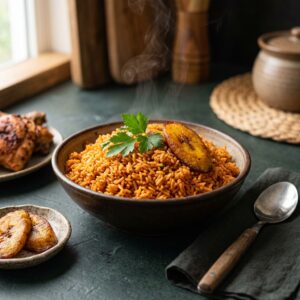
Authentic Nigerian Jollof Rice Recipe
Quick Answer: Authentic Nigerian Jollof Rice is a iconic West African masterpiece characterized by its rich red hue, smoky aroma, and tender, individual grains coated in a spiced tomato-pepper reduction. The key to mastering this dish lies in frying a concentrated tomato and pepper blend (Jollof base) until the oil separates, parboiling the rice to remove excess surface starch, and steaming it slowly under a sealed foil barrier. For the absolute best results, use high-quality Clic Premium Parboiled Rice and authentic Derica Tomato Paste to achieve the signature depth of color and savory flavor profile.
The Cultural Heart of West Africa: The History and Hype of Jollof Rice
Few dishes in the world command the level of passion, national pride, and friendly diplomatic rivalry as Jollof Rice. Rooted deeply in the history of West Africa, Jollof is more than just a culinary staple; it is a cultural phenomenon. To understand Jollof is to understand the shared heritage of the Senegambia region, where the dish originated with the Wolof people. Historically known as thiéboudienne (a rich dish of fish, rice, and vegetables), the basic blueprint of rice cooked in a spiced tomato broth spread across the West African coast, transforming into distinct regional variations as it traveled.
In Nigeria, Jollof Rice has evolved into the lifeblood of social gatherings. The term “Party Jollof” refers specifically to the smoky, wood-fired version served at weddings, birthdays, and community celebrations (popularly known as Owambes). The party version is cooked in large cast-iron pots over open firewood, letting the bottom of the rice burn slightly. This controlled burning releases a caramelized, smoky condensate that permeates the entire pot. This distinct smoke profile is so coveted that home cooks go to great lengths to replicate it on standard gas or electric stovetops using tight foil seals and high-heat caramelization techniques.
This culinary pride has sparked the famous “Jollof Wars”—a passionate, decades-long debate, primarily between Nigerians and Ghanaians, over who makes the superior version. While Ghanaian Jollof typically utilizes aromatic Basmati rice and a heavily spiced meat-based gravy, Nigerian Jollof relies on long-grain parboiled rice, a rich tomato-to-bell-pepper ratio, and a strict emphasis on steaming over boiling. Regardless of which side you lean on, the Nigerian method provides an unmatched balance of robust, savory tomato-pepper paste adherence and individual grain separation.
The Science of the Grain: Parboiled vs. Basmati Rice
Achieving the perfect Jollof texture is a thermodynamic and biochemical challenge. The goal is to have tender, fully cooked grains that remain completely separate and dry to the touch, rather than clumping together in a mushy porridge. The choice of rice grain dictates the success of this process. In Nigeria, long-grain parboiled rice is the undisputed standard, whereas some modern modifications suggest Basmati. To understand why parboiled rice reigns supreme, we must look at how starch behaves under heat and moisture.
Parboiled rice undergoes a hydrothermal treatment before milling: soaking, steaming, and drying. This process gelatinizes the starch inside the grain, fusing micro-fissures and forcing essential nutrients from the outer husk into the endosperm. According to nutritional analyses on grain structures, such as those reviewed in Healthline’s guide on parboiled rice benefits, this structural alteration changes how the grain absorbs liquid. The gelatinized starch is highly resistant to overcooking, meaning the rice can withstand the long, acidic steam cycle of a tomato-based broth without bursting and releasing excess amylopectin (the sticky starch component).
| Comparison Metric | Long-Grain Parboiled Rice (e.g., Clic Premium) | Basmati Rice (Aromatic Long Grain) |
|---|---|---|
| Starch Profile | High amylose, pre-gelatinized. Very low surface starch. | High amylose, raw. High surface starch. |
| Steam Retention | Excellent; absorbs liquid slowly, retaining shape under heavy steam pressure. | Moderate; absorbs liquid quickly, prone to breaking if over-agitated. |
| Final Texture | Firm, robust, separate, with a dry exterior coating of spice oil. | Soft, fluffy, delicate, light, with moderate clinginess. |
| Acidity Resistance | High; holds structure against the acidic pH of concentrated tomatoes. | Low to Moderate; can turn mushy if cooked in highly acidic sauces too long. |
| Best Suited For | Authentic Nigerian Party Jollof (replicates cast-iron firewood texture). | Senegalese/Ghanaian Jollof variations or quick-cook pilafs. |
Deconstructing the Perfect Jollof Base
The foundation of any legendary Jollof Rice is its “Jollof Base”—a vibrant, emulsified reduction of fresh tomatoes, red bell peppers (known as tatashe), onions, and scotch bonnet peppers (atarodo). A common mistake is simply boiling this puree with the rice. Raw tomatoes contain high levels of water, volatile organic acids, and active enzymes that produce a metallic, sour taste if not cooked down properly.
To build depth, you must fry the base. First, cook down the blended pepper mix to evaporate its water content. Next, fry sliced onions in a generous amount of vegetable oil, followed by high-quality tomato paste. Using Derica Tomato Paste is crucial here; its high concentration of solids caramelizes beautifully in hot oil, neutralizing the sharp acidity and transforming it into a sweet, umami-rich base. When the boiled pepper blend is added to this caramelized paste, the mixture must cook until the water is completely gone, and the oil separates and floats to the top. This separation is a visual cue that the sugars have caramelized and the spice compounds have dissolved in the fat, ensuring a rich, non-sour coating on every grain of rice.
Authentic Nigerian Jollof Rice Recipe
Follow this detailed recipe to create a flawless batch of Nigerian Jollof Rice that captures the signature party flavor right on your stove.
Ingredients
- 4 cups Clic Premium Parboiled Rice
- 1 can (400g) Derica Tomato Paste
- 4 large Red Bell Peppers (Tatashe), deseeded
- 5 medium Roma Tomatoes
- 2 medium Scotch Bonnet Peppers (Atarodo) – adjust to heat preference
- 3 medium Red Onions (2 for blending, 1 finely sliced for frying)
- 1/2 cup Vegetable or Canola Oil
- 3 cups Rich Chicken Stock (highly seasoned, warm)
- 4 Dried Bay Leaves
- 1 tablespoon Curry Powder (preferably Nigerian style)
- 1 tablespoon Dried Thyme
- 2 tablespoons Butter (unsalted)
- 3 Bouillon Cubes (Knorr or Maggi chicken cubes)
- 1 teaspoon White Pepper
- Salt to taste
- 1 medium Tomato and 1 small Onion, sliced (for the final steam stage)
Step-by-Step Instructions
Step 1: Prep the Tomato Pepper Blend (Jollof Base)
In a blender, combine the red bell peppers, Roma tomatoes, scotch bonnet peppers, and 2 chopped red onions. Blend with as little water as possible until smooth. Pour the mixture into a pot and boil over medium-high heat for 15 to 20 minutes, or until the water evaporates and you are left with a thick paste. Set aside.
Step 2: Fry the Paste and Spices
In a large, heavy-bottomed pot (preferably cast iron or Dutch oven), heat the vegetable oil over medium heat. Add the sliced onions and fry for 5 minutes until translucent and aromatic. Add the Derica tomato paste and fry it in the oil for 5 to 7 minutes, stirring constantly. You want the paste to turn from a bright red to a deeper, dark red color, breaking down into small, grainy clumps. This process caramelizes the natural sugars and removes the metallic canning taste.
Step 3: Simmer the Jollof Base
Pour in your boiled pepper mixture and stir well to combine it with the fried tomato paste. Add the bay leaves, curry powder, dried thyme, white pepper, bouillon cubes, and a pinch of salt. Cook this mixture over medium heat for 15 minutes, stirring frequently to prevent burning, until you see bubbles of oil separate and float on top of the sauce. Scoop out 1 cup of this sauce and set it aside for later.
Step 4: Parboil and Clean the Rice
While the sauce is frying, bring a large pot of salted water to a boil. Add the parboiled rice and cook for 7 to 9 minutes. The grains should still be firm in the center (only partially cooked). Drain the rice in a colander and rinse it thoroughly under cold running water to wash away all excess surface starches. This step is non-negotiable for preventing sticky, clumping grains.
Step 5: Combine and Calibrate the Liquid
Reduce the heat of your main pot to low. Pour the washed parboiled rice into the simmering sauce. Stir thoroughly until every grain is evenly stained red. Pour in the warm chicken stock. The level of the liquid should be just barely inline with the top of the rice grains—do not submerge the rice. If it needs more moisture, add a splash of water or stock. Taste the liquid; it should taste slightly over-seasoned, as the rice will absorb the flavors as it steams.
Step 6: The Sealed Steam Cycle
Cover the pot tightly with a sheet of aluminum foil, pressing down the edges to trap all steam. Place the lid securely over the foil. Turn the heat down to the lowest setting. Let the rice steam undisturbed for 25 minutes. Resist the temptation to open the pot; lifting the lid releases the moisture needed to cook the grains through.
Step 7: The Final Finish and “Burn”
Remove the lid and foil. The rice should be cooked, dry, and fluffy. Stir in the butter, the reserved cup of Jollof base, and top with the freshly sliced tomato and onion rings. To get the signature “Party Jollof” smoky taste, turn the heat up to medium-high for 3 to 5 minutes, allowing the bottom layer of rice to toast and slightly char against the pot. You will hear a crackling sound and smell a rich, sweet wood-smoke aroma. Turn off the heat, cover, and let it rest for 10 minutes before fluffing with a fork and serving.
Troubleshooting Your Jollof Rice
Even seasoned home cooks encounter variables like stove heat fluctuations and humidity that can affect the final pot. Here is how to diagnose and correct common Jollof mistakes.
1. How to Fix Soggy or Mushy Jollof: If your rice is wet and sticking together, you added too much liquid or did not drain/rinse the parboiled rice properly. To fix it, immediately remove the lid and foil. Turn the heat down to the absolute lowest setting and let the steam escape. Do not stir it, as stirring will break the grains and release more starches, worsening the mushiness. Let it dry out naturally on the stove.
2. Preventing Unintentional Burning: While a smoky bottom char is desired, an early burn before the rice is cooked is a disaster. This happens when the heat is too high or the pot has a thin bottom. Always use a heavy-bottomed pot (like a cast-iron Dutch oven) to distribute heat evenly. If you smell burning before the rice is soft, reduce the heat to the absolute minimum, place a heat diffuser under the pot, and let the remaining steam finish the job.
3. Pale Jollof (Color Correction): If your Jollof looks orange or yellow rather than rich red, your tomato-to-pepper ratio was off, or your paste was under-fried. Ensure you use deep-red bell peppers (tatashe) and do not skip frying the tomato paste. The frying process concentrates the red lycopene pigments, ensuring a vibrant, appetizing color.
Frequently Asked Questions
Here are quick answers to the most common questions regarding authentic Jollof preparation.