Blog

Bringing Nigerian Flavors to Canada: Food Delivery Now Available
Quick Answer: Bringing Nigerian Flavors to Canada is now easier than ever with specialized food delivery services offering authentic African flavors online. By bridging the geographical gap, these dedicated platforms provide same-day shipping on essential staples, hard-to-find spices, and traditional proteins. Whether you are a newcomer longing for home or an adventurous home chef, you can now skip the multi-store search and have authentic ingredients delivered directly to your doorstep.
The Cultural Identity of Nigerian Flavors: More Than Just Food
For Nigerians in the diaspora, food is not merely sustenance; it is a vital pillar of cultural identity and heritage. The complex profile of Nigerian cuisine—characterized by the smoky depth of Jollof rice, the rich texture of pounded yam with Egusi soup, and the fiery kick of peppered fish—carries generations of history. Each spice, seed, and leaf tells a story of regional traditions, family gatherings, and community celebrations. In a new country, recreating these meals is a primary way to maintain a connection to one’s roots and pass down cultural narratives to the next generation.
However, reproducing these complex flavors in Canada has historically been a significant challenge. Traditional ingredients such as authentic locust beans (iru), dried scent leaves, and specific varieties of ground crayfish are rarely found on the shelves of conventional Canadian supermarkets. For a deeper understanding of these culinary customs and history, you can explore the comprehensive Wikipedia Guide on Nigerian Cuisine. The unavailability of these ingredients often meant that diaspora families had to adapt their recipes, sometimes losing the authentic essence of the dishes in the process.
The Emotional Connection of Food Delivery for Newcomers
Settling into Canada as a newcomer brings a wave of new experiences, from navigating chilly winters to adjusting to a fast-paced lifestyle. Amidst these changes, homesickness is a common challenge. Food plays a profound emotional role during this transition period. The aroma of a simmering pot of soup can instantly transform an unfamiliar Canadian apartment into a warm, welcoming home. Accessing familiar foods provides psychological comfort, reduces stress, and offers a sensory escape back to the bustling markets of Lagos, Abuja, or Enugu.
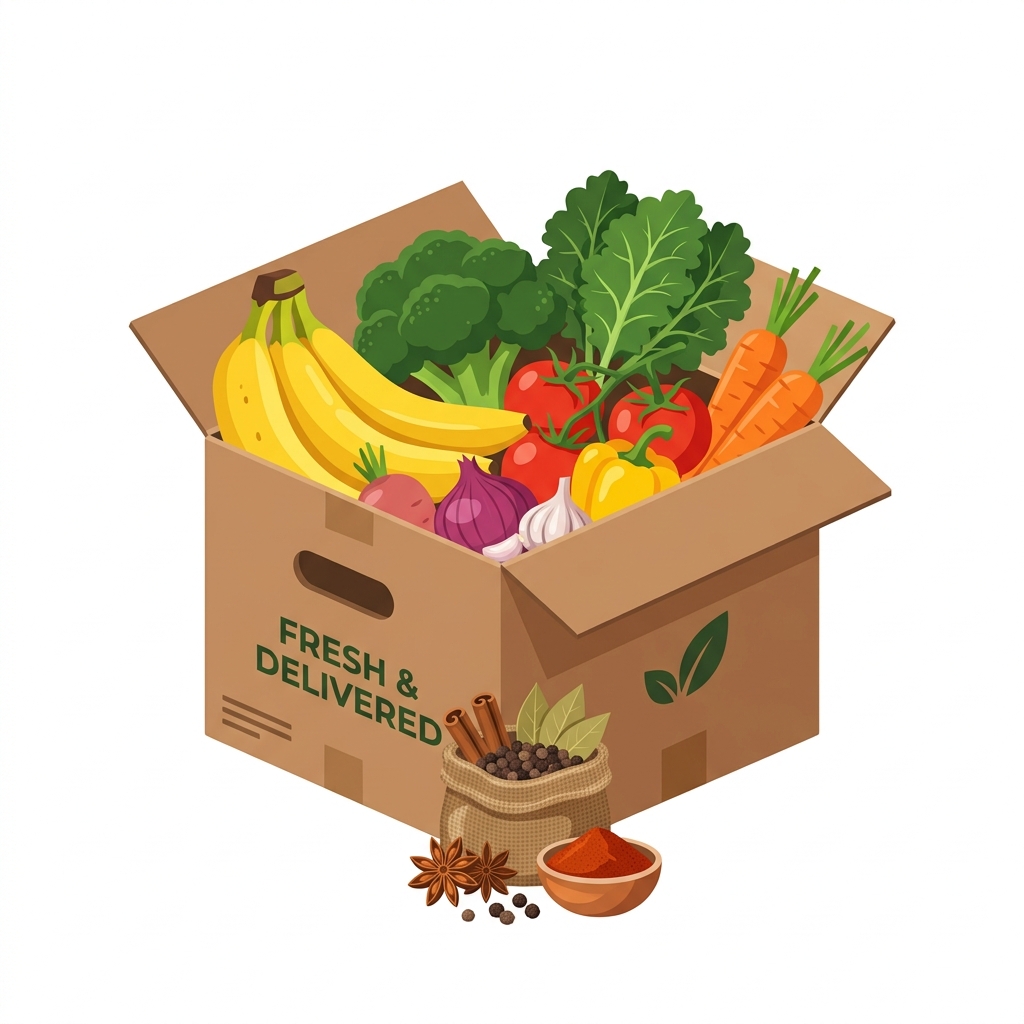
Modern food delivery platforms specializing in African ingredients serve as a crucial emotional lifeline. Instead of spending hours commuting across transit lines to find a niche physical store, newcomers can now easily browse and order native ingredients online. The convenience of having a box filled with yam tubers, authentic spices, and specialty grains delivered directly to one’s doorstep provides relief and a sense of belonging, assuring newcomers that their culture is respected and accessible in their new home.
Comparing Grocery Delivery: Specialized African Delivery vs. Mainstream Services
When looking to source ingredients in Canada, shoppers generally choose between mainstream delivery apps and specialized e-commerce services. Understanding how these options compare helps you make the best decision for your culinary needs.
| Feature | Mainstream Apps (Uber/Instacart) | Specialized African E-Grocery |
|---|---|---|
| Item Availability | Limited to generic international aisles (standard rice, basic spices). Rare items like Ugu, Iru, or stockfish are unavailable. | Full catalog of authentic ingredients, including regional spices, specialized greens, and traditional proteins. |
| Price & Bulk Sizing | Higher markup on small portions; lack of bulk bags for staple grains like parboiled rice. | Competitive pricing on bulk sizes (e.g., large bags of rice, tubers of yam) suited for family cooking. |
| Cultural Knowledge | None. Delivery shoppers frequently make incorrect substitutions (e.g., substituting spinach for Ugu). | Staff understand the culinary context and pack orders with care, ensuring correct ingredients and cuts. |
| Delivery Range & Shipping | Restricted to short local radiuses; rarely covers suburbs or regional towns. | Extended delivery ranges and reliable same-day shipping options across major metropolitan areas. |
Step-by-Step Guide: Hosting a Mini Nigerian Dinner Party
Hosting a dinner party is a wonderful way to introduce Canadian friends to the warmth of West African hospitality. Here is how you can host a memorable dinner party using online delivery:
Step 1: Plan the Menu and Order Staples
Start by designing a menu that balances bold spices with familiar formats. Jollof rice, fried plantains (dodo), and peppered fish make an excellent menu. Order your dry ingredients online early. For the perfect texture, select a premium grain like Clic Premium Parboiled Rice, which absorbs flavors beautifully without becoming mushy. Browse a variety of options to find the perfect grains and dry goods for your party.
Step 2: Source Fresh and Specialty Proteins
For the peppered fish, you will need firm, high-quality seafood that can withstand frying and baking in spicy tomato-pepper sauce. Explore the curated meat and seafood category to find the best fish, beef, or goat meat. Ordering these proteins online ensures they arrive fresh and properly temperature-controlled, saving you a trip to a specialty butcher.
Step 3: Prepare the Pepper Base (Obinto)
The foundation of great Jollof and peppered fish is the blend of red bell peppers (tatashe), scotch bonnets (atarodo), onions, and tomatoes. Blend these ingredients with a splash of water until smooth. Pour the mixture into a pot and boil it down until the excess water evaporates, leaving a thick, concentrated paste. This boiling process removes the raw pepper taste and intensifies the natural sweetness of the bell peppers.
Step 4: Fry the Stew and Cook the Rice
Heat vegetable oil in a large pot. Sauté sliced onions, then add tomato paste and your boiled pepper base. Fry the stew until the oil separates and floats to the top, showing that the acid has cooked out. Split this stew: use one portion to simmer your parboiled rice in seasoned meat stock, and use the other portion to coat your fried or grilled fish. Cover your Jollof pot with foil before putting the lid on; the steam is what cooks the rice to fluffy perfection.
Troubleshooting & Pro Tips
Recreating traditional recipes in a Western kitchen requires some adjustments. These tips will help you achieve authentic results:
- Achieving Smoky “Party” Jollof: To get that classic smoky flavor without an open firewood flame, let the bottom of your Jollof rice burn slightly at the end of cooking. The controlled burning releases steam that flavors the entire pot. Alternatively, add a tiny drop of high-quality liquid smoke or use smoked paprika in your stew base.
- Greens and Herb Substitutions: If you cannot find fresh Ugu (fluted pumpkin leaves) for your Efo Riro, a mixture of chopped lacinato kale and fresh baby spinach makes a great substitute. The kale provides the texture, while the spinach provides the soft, delicate green profile.
- Taming the Heat: Scotch Bonnet peppers in Canada can vary in heat levels. If your guests prefer a milder taste, remove the seeds and white ribs from the peppers before blending, or substitute orange Habanero peppers, which offer a similar fruity aroma with slightly more manageable heat.
- Pre-Soaking Smoked Fish: Traditional dried fish can be very tough. Before adding dried fish from the meat and seafood category to your soups, soak it in hot salted water for 15 to 20 minutes. This softens the flesh and helps wash away any debris from the drying process.
For more inspiration on regional African cuisines and preparation methods, check out the BBC Food Guide on African Cuisines.