Blog
Discover Online African Grocery Shopping in Canada
Quick Answer: Discovering online African grocery shopping in Canada allows diaspora families and food enthusiasts to bypass crowded physical stores and have authentic ingredients delivered straight to their doorstep. By choosing a specialized online African store like iLeOja, you can easily buy traditional food and secure reliable Canada delivery, even in remote suburban or rural areas. To get started, prioritize stores with climate-controlled packaging, transparent shipping policies, and a diverse range of heritage staples.
The Evolution of Ethnic Grocery Access in Canada
For decades, members of the African diaspora residing in Canada faced a significant logistical hurdle: sourcing authentic, high-quality ingredients for traditional meals. According to historical demographic patterns of African Canadians, populations have steadily grown and diversified across provinces. Despite this growth, traditional brick-and-mortar ethnic markets remained concentrated in dense, metropolitan downtown enclaves of cities like Toronto, Montreal, and Calgary.
For families living in distant suburbs or smaller municipalities, procuring heritage ingredients meant dedicating entire weekends to long commutes. Once at the physical stores, shoppers frequently encountered crowded aisles, lack of price clarity, and unpredictable inventory levels. The transition to digital ordering has fundamentally reshaped this landscape, enabling anyone to discover online African grocery shopping in Canada with unprecedented ease.
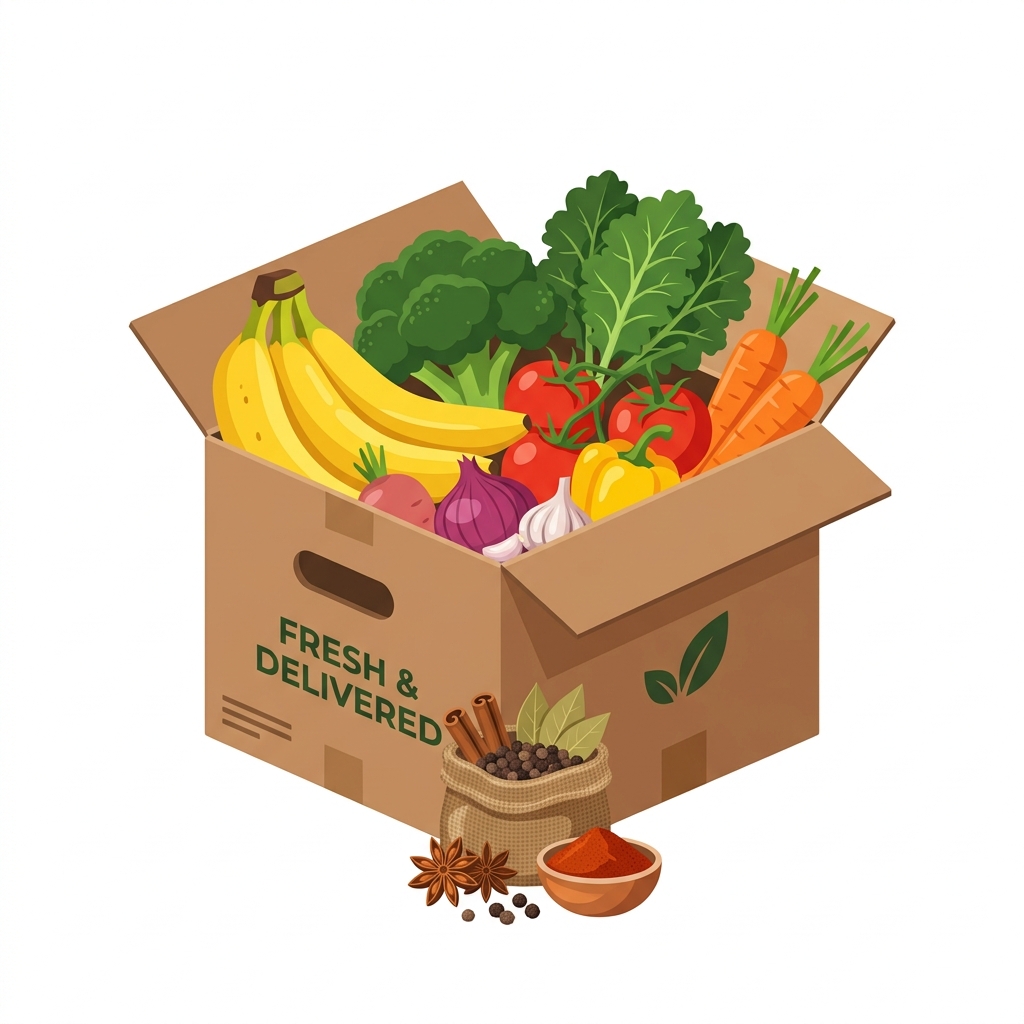
Modern online platforms bridge the geographic gap, offering a seamless way to buy traditional food online. Fresh imports—ranging from leafy greens like Ugu and Shoko to aromatic spices—are now shipped directly from customs clearance to climate-controlled warehouses, and then straight to consumers. This digital revolution ensures that whether you live in downtown Vancouver or a quiet suburb in Saskatchewan, authentic culinary heritage is never out of reach.
Comparing Grocery Options: Standard Stores vs. Specialized Online Stores
To understand why many households are switching to a specialized online African store, it is helpful to compare the shopping experience against mainstream Canadian supermarkets. The table below highlights key operational differences that impact ingredient quality and convenience:
| Comparison Feature | Standard Mainstream Grocery | iLeOja Online African Store |
|---|---|---|
| Ethnic Variety & Authenticity | Very limited; minor shelf space in the “International” aisle for generic products. | Deep, authentic inventory categorized by specific regional dishes and traditions. |
| Price Transparency | High markups on rare import goods with volatile, undocumented price changes. | Consistent, competitive pricing with clear bulk discounts and detailed descriptions. |
| Delivery Logistics | Standard local radius delivery only; no custom transit solutions for rare imports. | Canada delivery nationwide with optimized shipping corridors for suburbs and remote towns. |
| Freshness Warranty | Ethnic dry goods often sit on shelves for months; fresh options are rarely available. | Rapid inventory turnover with strict freshness guarantees on vacuum-sealed and frozen stock. |
Sourcing Checklist for Diaspora Households
Recreating the authentic tastes of home requires selecting the correct base ingredients. When building your online cart, use this checklist to ensure your pantry is fully stocked with the essentials:
- Staple Flours & Meals: A successful African pantry starts with versatile base carbohydrates. Ensure you stock up on premium flours and meals, including Elubo (yam flour) for Amala, Cassava flour, premium white Garri, yellow Garri, and plantain flour.
- Meat & Seafood: The foundational depth of African soups and stews relies heavily on rich, smoked, and dried proteins. Look for authentic meat and seafood options, such as smoked catfish, dried stockfish, premium ground crayfish, ponmo (cow skin), and pre-cut goat meat.
- Aromatic Spices & Seasonings: Stock your spice rack with regional flavor enhancers like Irú (fermented locust beans), Uziza seeds, Uda pods, nutmeg, and authentic chili powders.
- Authentic Oils: Ensure you have unrefined, high-grade red palm oil for traditional cooking, as well as cosmetic-grade raw shea butter for skin and hair health.
Troubleshooting & Pro Tips for Online African Shopping
Shopping online for imported items differs slightly from buying standard domestic goods. Use these professional tips to optimize your orders and avoid common delivery pitfalls:
1. Align Orders with Courier Schedules: To prevent temperature-sensitive items (like fresh meats or vegetables) from sitting in transit facilities over weekends, place your orders early in the week (Sunday through Tuesday). This ensures your parcel is processed and delivered before courier companies pause operations for the weekend.
2. Configure Substitution Preferences Clearly: Due to import fluctuations and agricultural seasons, specific brands of items like fufu or palm oil may occasionally sell out. When using an online African store, utilize the checkout notes field to state whether you prefer a direct brand substitution, a refund, or a store credit.
3. Conduct Immediate Packaging Checks: Upon delivery, inspect vacuum-sealed products (particularly smoked fish and meats) for seal integrity. If a seal has ruptured during transit, freeze or consume the item immediately and contact customer support with photos to activate your freshness warranty.
4. Optimize Shipping Costs: Heavy dry goods, such as large sacks of rice or flour, can increase shipping fees. To save money, bundle your dry items into a single large monthly order to qualify for flat-rate shipping tiers or free shipping thresholds, while ordering fresh greens and perishables in smaller, frequent intervals.