Blog
Traditional Ogbono Soup Recipe
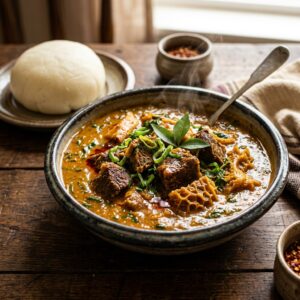
Quick Answer: Traditional Ogbono Soup is a rich, deeply savory Nigerian “draw soup” made from the ground seeds of the wild mango tree (Irvingia gabonensis) which give it a signature viscous, mucilaginous texture. To cook it successfully, you must dissolve the finely ground seeds in warm palm oil before introducing warm meat stock to prevent lumping and maximize its drawing ability. Serve this satisfying West African classic hot with swallows like eba, fufu, or pounded yam. Read on for our ultimate step-by-step recipe, troubleshooting tips, and historical background.
The Cultural and Botanical Heritage of Ogbono
Ogbono soup, also known simply as draw soup, holds an esteemed position in West African culinary traditions, particularly within Nigerian cuisine. The name “Ogbono” refers to the seeds of the wild mango tree, botanically classified as Irvingia gabonensis. Native to the tropical forests of West and Central Africa, these trees produce fleshy, yellow-green fruits resembling mangoes. While the sweet pulp of the fruit is eaten fresh, the true culinary treasure lies within the hard, fibrous stone: the oil-rich cotyledons, or seeds, which are carefully extracted, sun-dried, and stored for culinary use.
In the culinary landscape of Southern and Eastern Nigeria, draw soups play a vital physiological and cultural role. The viscous, slippery texture of Ogbono facilitates the swallowing of dense, starchy side dishes known collectively as “swallows” (such as eba made from cassava, pounded yam, or fufu). This texture acts as a natural lubricant, allowing chunks of swallow to slide down the throat effortlessly without the need for excessive chewing. Beyond functionality, a pot of Ogbono soup is a symbol of hospitality and comfort, often prepared for special family gatherings, traditional weddings, and festive holidays.
Scientific investigations have highlighted the remarkable nutritional profile of these wild mango seeds. They are highly valued for their high fat content, dietary fibers, and essential minerals. In fact, a landmark clinical trial published in the Journal of Lipids in Health and Disease demonstrated that extracts of Irvingia gabonensis can support metabolic health, aid in weight management, and help regulate blood glucose levels. The soluble fiber in the seeds swells when exposed to water, which is the scientific explanation for the soup’s characteristic “draw” or high viscosity.
Comparing African Draw Soups and Thickening Agents
West African soups utilize various natural thickeners and mucilaginous ingredients to achieve different mouthfeels and flavors. Understanding how Ogbono compares to other staples like Egusi (melon seeds) and Okra can help home cooks master the science of texture and flavor pairing. Below is a detailed breakdown of their properties:
| Ingredient | Viscosity / Texture | Preparation Method | Nutritional Highlights |
|---|---|---|---|
| Ogbono Seeds (Irvingia gabonensis) | High mucilaginous draw; smooth and slippery mouthfeel. | Finely ground into powder, dissolved in warm palm oil, and simmered in stock. | Rich in soluble fiber, healthy fats (lauric and myristic acids), and calcium. |
| Egusi Seeds (Melon seeds) | None to low; thick, coarse, and grainy with curd-like texture. | Ground into paste with water/onions, toasted in oil, or boiled in balls. | High in plant protein, vitamin E, essential fatty acids, and zinc. |
| Okra (Abelmoschus esculentus) | Medium to high draw; crunchy with soft, gelatinous pods. | Chipped, chopped, grated, or blended, then boiled briefly in stock or oil. | Excellent source of vitamin C, vitamin K, folate, and antioxidants. |
Traditional Ogbono Soup Ingredients
To prepare an authentic pot of Ogbono soup, sourcing high-quality ingredients is essential. We categorize these ingredients into three pillars: the thickening base, the aromatic seasonings, and the protein assortment.
- Ogbono Base: 1 cup of whole, fresh Ogbono seeds (ground finely using a dry mill grinder right before cooking).
- Palm Oil: ½ cup of premium, unrefined red palm oil (crucial for color, aroma, and dissolving the ground seeds).
- Assorted Proteins: 1.5 lbs of mixed meats (beef, goat meat, tripe/shaki, cow skin/kanda), and 1 cup of dried stockfish and smoked fish (panla or catfish). You can browse our fresh selection of premium meats and seafood to build your protein base.
- Seasonings & Aromatics: 3 tablespoons of ground crayfish, 2 bouillon cubes (Maggi or Knorr), 1 tablespoon of ground dry yellow pepper (cameroon pepper), and salt to taste. Find these in our spices and seasonings collection.
- Vegetable Accents (Optional): A handful of finely shredded bitterleaf (washed to remove bitterness) or pumpkin leaves (ugwu).
Step-by-Step Cooking Guide
Follow this traditional, time-tested method to achieve a perfectly smooth, highly viscous, and flavorful Ogbono soup that draws beautifully.
Step 1: Prep and Cook the Proteins
Place your thoroughly washed beef, tripe, and cow skin into a large pot. Season with chopped onions, a pinch of Cameroon pepper, salt, and one bouillon cube. Add a small cup of water, cover, and steam on medium heat until the meat releases its natural juices. After 10 minutes, add the stockfish and dry fish, pour in more water to submerge the ingredients, and boil until the meats are tender. Drain the cooked proteins, saving the rich, aromatic stock in a separate bowl. Keep the stock warm.
Step 2: Dissolve the Ground Ogbono in Palm Oil
Dry the cooking pot completely. Pour in the red palm oil and heat it gently on low for about 1 minute. Do not let the oil smoke or bleach. Turn off the heat source. Immediately add the finely ground Ogbono seeds to the warm oil. Use a wooden spoon or spatula to stir and press the powder into the oil. Keep stirring until all lumps disappear and the mixture forms a smooth, dark-orange paste. This oil-dissolving step is the secret to unlocking the mucilage and preventing the seeds from clumping.
Step 3: Integrate the Stock and Build Viscosity
Turn the heat back on to the lowest setting. Slowly add a ladle of the warm meat stock to the dissolved Ogbono oil paste. Stir continuously in a circular motion. You will immediately notice the mixture begin to thicken, darken, and draw. Continue adding the stock one ladle at a time, stirring vigorously after each addition. Once all the stock is integrated and the soup has a fluid but viscous consistency, leave the pot completely uncovered and bring to a gentle simmer for 10 to 12 minutes. Stir frequently to prevent the bottom from burning.
Step 4: Add Seasons and Simmer
Add the cooked meats, stockfish, and smoked fish to the simmering soup base. Stir in the ground crayfish, the remaining bouillon cube, and Cameroon pepper. Adjust the salt if necessary. The crayfish is highly aromatic and acts as a flavor binder. Let the soup simmer uncovered on low heat for another 5 to 7 minutes, allowing the proteins to absorb the savory Ogbono base. If the soup becomes too thick, you can stir in a splash of warm water.
Step 5: Finish with Vegetables
If you prefer a vegetable accent, stir in your washed bitterleaf or shredded pumpkin leaves. Let it simmer for just 2 more minutes until the greens wilt but retain their vibrant color. Remove the pot from the stove and let the soup rest for 5 minutes. As it cools slightly, the draw will reach its peak consistency.
Troubleshooting & Pro Tips
Cooking Ogbono soup requires attention to detail. If you encounter issues with viscosity, flavor, or texture, consult these professional tips:
- Why didn’t my Ogbono soup draw? This is the most common issue. It usually happens if you covered the pot during the initial cooking phase (condensation drops into the soup and destroys the mucilage), used stale/molds seeds, or added cold water before the oil step. Always cook uncovered until the soup has fully thickened.
- Preventing and fixing scorched bottoms: Because of its thick texture, ground Ogbono sinks to the bottom of the pot and burns easily. Always cook on low-to-medium heat and scrape the bottom of the pot with a flat wooden spoon every few minutes. If it does burn, do not stir the burnt bits into the soup; immediately transfer the unburnt top layer to a new pot and continue cooking.
- Sourcing fresh seeds: Old seeds lose their oil content and smell dusty or soapy. When buying Ogbono seeds, choose whole seeds over pre-ground ones. Fresh seeds should be light-brown, dry, slightly oily to the touch, and have a mild, nutty aroma. Grind them at home just before cooking.
- Proper storage: Ogbono soup stores exceptionally well. Allow the soup to cool completely before portioning it into airtight containers. It will keep in the refrigerator for up to 4 days, or in the freezer for up to 3 months without losing its draw or flavor profile. Reheat gently on low heat, adding a tiny splash of hot water to loosen it up.
Frequently Asked Questions
Find answers to common questions about preparing and enjoying traditional Ogbono soup below.