
Blog
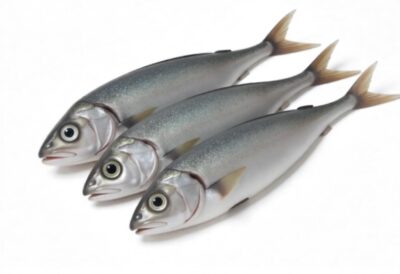
Titus Fish Recipes: Preparing and Grilling Atlantic Mackerel
Quick Answer: To prepare and grill the perfect Titus fish (Atlantic Mackerel), clean the thawed fish thoroughly, make deep diagonal cuts on both sides, and coat it generously with a rich marinade of habanero peppers, onions, ginger, garlic, and bouillon. Grill the fish over medium-high heat on a well-oiled grill grate or bake it in a preheated oven at 400°F (200°C) for 20 to 25 minutes, turning once, until the skin is crispy and the flesh is oily and flaky. Read on to master our authentic Titus fish recipes and elevate your seafood game.
The Cultural Icon: Why Titus Fish Rules West African Kitchens
In West Africa, particularly in Nigeria, Ghana, and Cameroon, the term “Titus” has transcended its origins as a brand name to become the generic descriptor for Atlantic Mackerel (Scomber scombrus). Walk into any bustling open-air market or neighborhood “cold room” (frozen seafood depot), and you will hear shoppers and vendors alike haggling over the price of “Titus.” This name originates from the iconic canned Titus sardines and mackerel that have graced pantry shelves for generations. Today, whether enjoyed straight out of a tin in a quick sandwich or purchased whole and frozen to be transformed into a smoky masterpiece, Titus fish is a cornerstone of regional home cooking.
What makes Titus fish so universally beloved is its unique combination of affordability, accessibility, and robust flavor. Unlike milder white fish, Atlantic Mackerel has a rich, oily, and characteristically bold flavor profile that stands up beautifully to intense heat and fiery spice blends. It is a staple in everyday family dinners, featured in rich tomato-based stews, pepper soups, and roadside street food. If you visit local open-air bars or night markets, you will find grilled Titus fish served alongside fried plantains (dolo or dodo), grilled yam, and spicy pepper sauces—a testament to the deep-rooted grilling culture of the region.
Beyond its culinary versatility and smoky appeal, Titus is a nutritional powerhouse. Because it is a cold-water fatty fish, it is exceptionally rich in essential nutrients. It is one of the densest dietary sources of Omega-3 fatty acids, which play a critical role in cardiovascular health, brain function, and reducing systemic inflammation. To learn more about how these essential fats support your body, you can explore the Healthline Scientific Guide on the Benefits of Omega-3s. When you choose a whole Titus fish, you are not just preparing a delicious meal; you are serving a nutrient-dense feast.
Titus Mackerel vs. Croaker vs. Red Snapper: A Griller’s Comparison
When selecting fish for your next barbecue, understanding the differences in fat content, texture, and bone structure will help you choose the right grilling technique. While Titus, Croaker, and Red Snapper are all highly popular, they behave very differently on the hot grates. Use the detailed comparison table below to understand how they stack up:
| Fish Variety | Average Fat Content | Omega-3 Density | Bone Structure | Grilling Complexity | Best Cooking Method |
|---|---|---|---|---|---|
| Titus (Atlantic Mackerel) | High (Oily) | Very High (approx. 2.5g per 100g) | Simple (Large central spine, few fine pin bones) | Low (Oils prevent drying out easily) | Charcoal grill or high-heat oven broil |
| Croaker | Medium | Medium (approx. 0.6g per 100g) | Moderate (Fewer pin bones, firm rib cage) | Medium (Requires careful turning to prevent breaking) | Pan-frying or medium-heat grilling |
| Red Snapper | Low (Lean) | Low-Medium (approx. 0.3g per 100g) | Complex (Rigid rib cage, many fine bones) | High (Easy to overcook and dry out quickly) | Baking in foil packets or whole-roasting |
As the table highlights, the high oil content of Titus makes it incredibly forgiving for beginners. The natural oils baste the fish from the inside out, keeping the flesh moist and succulent even over the intense, direct heat of hot charcoal. Red Snapper, being leaner, requires constant basting and wrapper protection to prevent it from turning dry and chalky.
How to Prepare Mackerel for Grilling: Step-by-Step Clean & Cut Guide
Before you apply any seasonings, preparing your mackerel correctly is essential for both flavor penetration and ease of eating. Most Titus fish sold in markets is frozen whole, meaning you will need to thaw and clean it properly. If you need to stock up on fresh fish for this recipe, you can browse our premium selection of whole fish in our Meat & Seafood Department.
Step 1: Safe Thawing
Place the frozen fish in the refrigerator 12 to 24 hours before cooking to thaw slowly. Alternatively, for a quicker method, place the vacuum-sealed fish in a bowl of cold tap water, changing the water every 30 minutes. Never thaw fish in warm water or on the counter at room temperature, as this encourages bacterial growth and degrades the texture of the flesh.
Step 2: Descaling and Gutting
Atlantic Mackerel has incredibly fine, smooth skin with tiny scales that are barely noticeable. However, you should still run the back of a knife gently from tail to head under cold running water to scrape away any loose debris. Next, make a clean incision along the belly from the tail fin up to the throat. Reach inside and pull out the entrails. Cut out the gills and discard them, as leaving the gills in can impart a bitter flavor to the head and surrounding meat. Rinse the cavity thoroughly, ensuring the dark bloodline along the spine is completely washed away.
Step 3: Scoring Diagonal Cuts
Pat the fish completely dry inside and out with paper towels. Using a sharp chef’s knife, cut 3 to 4 deep diagonal slits across the thickest part of the fish’s sides, spacing them about an inch apart. Cut deep enough to hit the central backbone but do not slice all the way through the fish. These scoring lines serve two purposes: they allow the marinade to penetrate deep into the thick flesh, and they help the fish cook evenly and quickly on the grill.
The Ultimate Grilled Titus Fish Recipe: Spicy Pepper Marinade
A great Atlantic Mackerel recipe relies on a bold, savory seasoning paste to balance the naturally rich, oily profile of the fish. This recipe features a classic West African pepper marinade that caramelizes beautifully over heat. To explore pre-made spices, dry rubs, and seasonings, check out our curated collection of Grilling Spices & Seasonings.
Ingredients for the Marinade:
- 2 whole Titus fish (cleaned, gutted, and scored)
- 2 habanero or scotch bonnet peppers (adjust according to heat tolerance)
- 1 large red bell pepper (tatashe) for color and sweetness
- 1 medium onion
- 3 cloves of garlic
- 1-inch piece of fresh ginger
- 2 tablespoons of vegetable oil (plus extra for greasing the grill)
- 1 tablespoon of chicken bouillon or spice seasoning cubes
- 1 teaspoon of dry thyme
- 1 teaspoon of curry powder
- Juice of 1 fresh lemon or lime
Step 4: Blending the Marinade
Roughly chop the habanero peppers, red bell pepper, onion, garlic, and ginger. Place them into a blender or food processor along with the vegetable oil, bouillon, thyme, curry powder, and lemon juice. Pulse until the mixture forms a thick, slightly textured paste rather than a smooth liquid. If it is too watery, it will slide off the fish skin instead of sticking.
Step 5: Marinating the Fish
Place the prepared fish in a large shallow baking dish. Rub the marinade generously all over the fish, making sure to push the seasoning deep into the diagonal slits and coating the inside of the belly cavity. Cover the dish with plastic wrap and transfer it to the refrigerator. Let it marinate for at least 1 hour, or ideally overnight, to let the spices infuse the fish.
Step 6: Grilling the Fish (Oven or Charcoal)
Charcoal Grill Method: Prepare your charcoal grill for direct medium-high heat. Clean the grill grates thoroughly with a wire brush and wipe them down with a paper towel dipped in vegetable oil. Place the marinated fish directly on the grates. Cook for 10 to 12 minutes per side. You will hear a satisfying sizzle as the fish oils drip onto the hot coils, creating a delicious smoky aroma. The skin should turn golden brown and slightly charred. Flip carefully using a wide fish spatula.
Oven Method: Pre-heat your oven to 400°F (200°C). Line a baking sheet with aluminum foil and place a wire rack on top. Lightly grease the wire rack with oil. Place the fish on the rack and spoon any remaining marinade over the top. Roast for 20 to 25 minutes. To get that signature grilled look, turn on your oven’s broiler for the final 3 minutes until the skin bubbles and chars slightly.
Troubleshooting & Pro Tips for Perfect Grilled Titus Fish
Cooking fish can sometimes be intimidating, but these pro tips will ensure your Titus fish turns out perfectly every time without any kitchen disasters:
- How to Prevent Skin from Sticking: The most common issue when grilling mackerel is the skin tearing and sticking to the grill grates. To avoid this, make sure your grill grates are screaming hot before placing the fish down. Additionally, oil both the grates and the outer skin of the fish heavily, and resist the urge to move or flip the fish too early. The fish will naturally release from the grates once a proper sear has formed.
- Choosing Quality Frozen Mackerel: Look for frozen Titus fish that has bright, clear eyes, firm flesh that doesn’t feel mushy through the packaging, and a vibrant, shiny silver skin with clean black stripes. Avoid fish with cloudy, sunken eyes, yellowing around the belly area, or heavy ice crystallization inside the bag, which indicates thawing and refreezing.
- Eliminating Fish Odor from the Kitchen: Atlantic Mackerel has a strong, oily scent that can linger in your home. To clean your kitchen, wipe down countertops with a mixture of warm water and white vinegar. You can also simmer a small pot of water with sliced lemons, cinnamon sticks, and a tablespoon of baking soda on the stove for 20 minutes to neutralize the air.
- Serving Suggestions: Serve your grilled Titus fish hot off the fire with a side of spicy pepper sauce, grilled sweet plantains (dodo), or a fresh green salad. A squeeze of fresh lime juice right before serving helps cut through the richness of the oily fish.
Frequently Asked Questions
Below are some of the most common questions home cooks ask when preparing and grilling Titus fish.