
Blog
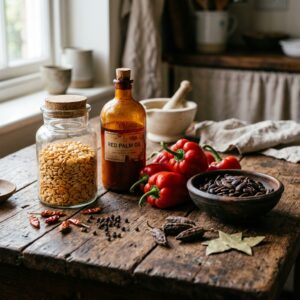
Traditional African Spices: Medicinal and Culinary Secrets
Quick Answer: Traditional African Spices like Calabash Nutmeg (Ehuru), Grains of Selim (Uda), alligator pepper, and fermented locust beans (Iru) hold profound medicinal and culinary secrets, offering powerful anti-inflammatory, antioxidant, and digestive wellness benefits. To lock in their therapeutic essential oils and rich flavor notes, toast these seasonings whole before grinding and incorporate them into slow-simmered dishes. Discover the healing properties and distinct aromas of these ancient wellness essentials to elevate both your kitchen creations and holistic health. Read on for our sourcing, blending, and troubleshooting guide.
The Cultural and Historical Legacy of African Seasonings
For millennia, the vast African continent has been home to a sophisticated culinary and therapeutic tradition that utilizes native plant species to preserve health, cure ailments, and elevate daily cuisine. Long before the advent of modern refrigeration and pharmacotherapy, traditional African spices served as the cornerstone of community survival. In tropical regions, where humidity and heat accelerate food spoilage, antimicrobial spices were essential preservation agents. The chemical compounds inherent in these seeds, pods, and barks inhibited bacterial and fungal growth, allowing cooked foods to remain safe for consumption over extended periods.
Beyond preservation, these spices were—and continue to be—deeply woven into the fabric of traditional medicine. African seasonings are rarely viewed solely as flavor enhancers; they are recognized as medicinal vectors. For instance, warming spices are routinely brewed into restorative broths for postpartum mothers to encourage uterine contractions and stimulate breast milk production. Similarly, pungent seeds are chewed raw to alleviate respiratory distress or chewed to clear digestive sluggishness. The culinary and medicinal secrets of these plants have been passed down through oral histories, ensuring that every spoonful of soup or plate of stew doubles as a natural wellness ritual.
Today, as global interest in functional foods and holistic wellness grows, the culinary world is beginning to validate what African healers have known for centuries. These complex aromatics possess highly active chemical profiles, including rare terpenes, phenols, and amino acids, making them vital additions to any modern, health-conscious pantry.
Comparing Key Traditional African Spices
To fully appreciate the diversity of these botanical powerhouses, it is helpful to examine their active chemical components, sensory profiles, and physiological benefits. Below is a comprehensive comparison of four of the most revered traditional African spices:
| Spice Name (Common & Scientific) | Primary Active Compounds | Flavor Profile & Sensory Notes | Health & Wellness Benefits |
|---|---|---|---|
| Calabash Nutmeg / Ehuru (Monodora myristica) | Myristicin, pinene, limonene, p-cymene | Woody, deeply nutty, pungent, and slightly sweet; reminiscent of nutmeg but with a wilder, earthy finish. | Aids digestion, relieves headaches, reduces intestinal gas, and exhibits strong anti-inflammatory properties. |
| Grains of Selim / Uda (Xylopia aethiopica) | Diterpenes, kaurane derivatives, linalool, cineole | Smoky, musky, peppery, with distinct resinous and eucalyptus-like undertones. Highly aromatic. | Acts as a respiratory decongestant, supports postpartum recovery, boosts blood circulation, and provides antimicrobial defense. |
| Alligator Pepper / Atare (Aframomum melegueta) | 6-paradol, 6-gingerol, shogaol | Sharp, warming, immediately pungent, with bright citrus highlights and a lingering peppery heat. | Stimulates thermogenesis (boosts metabolism), provides high levels of antioxidants, reduces joint pain, and works as a natural aphrodisiac. |
| Iru / Fermented Locust Beans (Parkia biglobosa) | Free amino acids, butyric acid, natural probiotics, essential fatty acids | Pungent, deeply savory, cheesy, and packed with complex umami notes. Truly soul-stirring aroma. | Promotes gut microbiome diversity, aids in blood pressure regulation, supports immune response, and boosts cardiovascular health. |
Sourcing & Blending Guide: Multi-Purpose Pepper Soup Spice Mix
Crafting your own spice blend from scratch is the best way to experience the culinary and medicinal secrets of these botanicals. This recipe creates a highly versatile, restorative pepper soup spice mix that can be used to season broths, fish, roasted meats, or stews. By pairing dry spices from our premium spices and seasonings collection with fresh, aromatic complementary vegetables and herbs, you will unlock layers of deep, authentic flavor.
Ingredients Needed:
- 10 whole pods of Calabash Nutmeg (Ehuru)
- 5 pods of Grains of Selim (Uda) (seeds removed, pods broken into pieces)
- 1 tablespoon of whole Alligator Pepper seeds (extracted from the pod)
- 1 tablespoon of dried calabash bark or wild ginger (optional, for earthy depth)
- 1 tablespoon of black peppercorns (for sharp heat)
- To complement during cooking: Fresh ginger, garlic, and fresh scent leaves or lemongrass from our fresh vegetables and herbs selection.
Step-by-Step Instructions:
Step 1: Roasting and Shelling the Ehuru. Place a dry skillet over medium heat. Add the whole Calabash Nutmeg (Ehuru) seeds. Dry-toast them for 3 to 5 minutes, shaking the pan frequently. You will know they are ready when they release a rich, warm, nutty aroma and their shells begin to darken. Remove from heat and allow to cool. Once cool, gently crack the outer woody shells using a pestle or flat blade to reveal the aromatic inner kernel.
Step 2: Preparing the Uda and Alligator Pepper. Open the Uda pods and shake out the tiny black seeds, which can sometimes introduce an unpleasant bitterness when ground. Keep only the fibrous green-black pods. For the alligator pepper, crack open the external alligator-skin pod and scrape out the shiny, brownish-grey seeds.
Step 3: The Light Dry-Toast. Return your skillet to a low flame. Add the shelled Ehuru kernels, the Uda pod fragments, the alligator pepper seeds, and the black peppercorns. Dry-toast them together for no more than 60 to 90 seconds. This vital step helps flash-evaporate any trace moisture and coaxes out the active volatile oils responsible for the spices’ medicinal and flavor properties. The air should become fragrant, warm, and peppery.
Step 4: Grinding to a Fine Powder. Transfer the warm spice mixture immediately to a heavy stone mortar and pestle or a high-powered electric spice grinder. Grind continuously until you achieve a uniform, fine-textured powder. Because Uda pods are highly fibrous, pass the ground mixture through a fine-mesh sieve. Regrind any coarse remaining fibers.
Step 5: Storage and Usage. Transfer the blended powder into an airtight glass jar. Store the jar in a cool, dark cupboard away from direct heat and moisture. Use 1 to 2 teaspoons of this blend per pot of warming soup, always adding fresh ginger, garlic, and scent leaves toward the end of your cooking process to balance the deep, dry heat with fresh herbal top notes.
Troubleshooting & Pro Tips for Traditional African Spices
Working with whole, wild-harvested spices requires a slightly different approach than using pre-ground commercial seasonings. Keep these professional tips in mind to maximize their longevity and health benefits:
- Tip 1: Store Whole to Prevent Essential Oil Loss. The volatile compounds (like paradol and myristicin) that give these spices their wellness benefits evaporate rapidly once exposed to oxygen. Always store your spices in their whole, unpeeled state, and only shell or grind the exact amount you need for a specific recipe.
- Tip 2: Master the Toasting Technique. Never skip the dry-toasting step. Gentle heat activates the essential oils and softens the woody structures of Ehuru and Uda, making them much easier to grind into a smooth powder. However, watch the pan closely—burned spices will taste bitter and lose their therapeutic potency.
- Tip 3: Manage the Bitterness of Uda Pods. When adding whole Grains of Selim (Uda) to long-simmering stews or broths, crack the pods open but tie them in a piece of food-safe cheesecloth. Remove them from the pot after 20-30 minutes. Leaving Uda to boil indefinitely can release harsh, overly bitter tannins that overpower the dish.
- Tip 4: Clean Grinders with White Rice. Because traditional spices contain high quantities of resinous oils, they can leave a sticky residue and strong aroma in electric grinders. To clean your grinder and neutralize odors, grind a tablespoon of dry white rice into a powder, discard the rice flour, and wipe the chamber with a dry cloth.
The Science Behind the Secrets
Modern clinical research is rapidly corroborating the traditional uses of African seasonings. Numerous scientific investigations published in pharmacological literature highlight the efficacy of these spices. For example, this PubMed study on the therapeutic properties of Aframomum melegueta highlights the role of 6-paradol in activating brown adipose tissue, which promotes energy expenditure and metabolic wellness. Furthermore, research into the phytochemical makeup of Xylopia aethiopica indicates that its diterpene concentrations possess potent anti-inflammatory properties, explaining its traditional use in managing systemic inflammation and respiratory ailments.
By incorporating these therapeutic seasonings into your culinary routine, you are not only preserving ancient traditions but also supporting your cardiovascular, metabolic, and digestive health with scientifically validated plant compounds.