
Blog
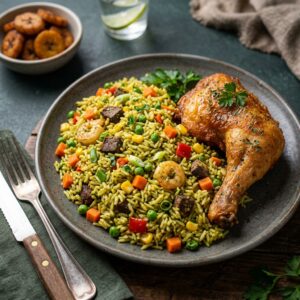
Authentic Nigerian Fried Rice Recipe
Quick Answer: Authentic Nigerian Fried Rice is a vibrant, savory festive dish made by parboiling long-grain rice in a seasoned, curry-infused chicken stock, then stir-frying it in small batches with fresh vegetables, liver, and shrimp. The key to its signature “green gold” color and firm texture is using premium parboiled rice, high-quality curry powder, and frying in batches to prevent sogginess. For the best results, use Clic Premium Parboiled Rice, which maintains its structure during the double-cooking process.
The Cultural Majesty of Nigerian Fried Rice: More Than Just a Side Dish
In the grand pantheon of West African culinary arts, rice is not merely a staple food; it is a cultural currency. While the globally renowned Jollof Rice often claims the spotlight in the friendly internet wars, Nigerian Fried Rice—affectionately dubbed “Green Gold” or “Festive Rice”—holds an irreplaceable, aristocratic status at gatherings. It is the sophisticated sibling of Jollof. Where Jollof is bold, fiery, and deeply comforting, Fried Rice is elegant, colorful, and structurally complex. No Nigerian party (Owambe), wedding ceremony, Christmas feast, or celebratory Sunday lunch is complete without a side-by-side presentation of both rice dishes, forming the iconic “half-and-half” plate.
Historically, Nigerian Fried Rice emerged as an adaptation of Asian stir-fry techniques, re-engineered to suit the West African palate. The adaptation substituted traditional Asian flavorings like soy sauce and sesame oil with locally revered aromatics: rich chicken stock, curry powder, dried thyme, and stock cubes. One of the defining characteristics of authentic Nigerian Fried Rice is the incorporation of beef liver (or chicken liver). The liver is boiled, seasoned, and diced into tiny cubes before being stir-fried with the rice. This addition is non-negotiable for purists; it provides a deep, earthy undertone and a metallic richness that balances the sweet crunch of carrots and sweet corn. In traditional celebrations, the presence of liver and shrimp signifies wealth, generosity, and the host’s respect for their guests.
Scientific and Nutritional Breakdown of Nigerian Fried Rice Spices
The unique flavor profile and the signature yellowish-green color of Nigerian Fried Rice are achieved through a precise blend of spices. Understanding how these spices interact both chemically and culinarily helps in mastering the dish. The foundational spices are curry powder, turmeric, ginger, garlic, and thyme. In addition to their culinary roles, these spices offer significant health benefits, particularly when combined, as documented in scientific research on the health benefits of turmeric.
From a food science perspective, parboiled rice is crucial for this recipe. Parboiling is a process where the paddy rice is soaked, steamed, and dried before milling. This gelatinizes the starch inside the grain, making it sturdier and less prone to breaking or releasing excess starch during cooking. This structural integrity is what prevents the fried rice from turning into a mushy clump when stir-fried. The starch molecules undergo retrogradation when the parboiled rice is cooled, which aligns the starch chains and creates the perfect firm, individual grains required for a high-quality stir-fry.
| Spice/Ingredient | Active Compound | Primary Culinary Role | Aroma & Flavor Profile | Color Contribution |
|---|---|---|---|---|
| Curry Powder | Curcumin & Cardamonin | Flavor base & primary color | Warm, earthy, mildly sweet, complex spices | Vibrant golden-yellow |
| Turmeric | Curcumin | Color enhancement & earthiness | Pungent, woody, bitter-warm | Deep, intense orange-yellow |
| Ginger | Gingerol & Shogaol | Sharpness & warmth | Zesty, spicy, biting citrus-woody notes | None |
| Garlic | Allicin | Savory depth (Umami enhancer) | Pungent, sweet-savory when cooked | None |
| Dried Thyme | Thymol | Herbal complexity | Sharp, minty, earthy, wood-like notes | Specks of dark green |
The Ultimate Step-by-Step Cooking Guide
To cook Nigerian Fried Rice successfully, you must approach the recipe in distinct phases: preparation, parboiling (flavor absorption), and batch stir-frying. Stir-frying in small batches is the single most important technique. Frying too much rice at once lowers the pan’s temperature, causing the vegetables to steam and release moisture, which results in soggy, wet rice.
Ingredients Checklist
- 4 cups of Clic Premium Parboiled Rice
- 1.5 kg Chicken pieces (preferably hard chicken or rooster for rich stock)
- 300g Beef liver or Chicken liver (boiled and diced into small cubes)
- 250g Medium shrimp (peeled and deveined)
- 2 cups of diced carrots (available in our fresh vegetables section)
- 1 cup of sweet corn (drained)
- 1 cup of green peas or runner beans (sliced thinly)
- 1 large red onion (finely chopped)
- 3 spring onions (sliced diagonally for garnish)
- 1 green bell pepper (diced)
- 3 tablespoons of high-quality Nigerian-style curry powder
- 1 tablespoon of turmeric powder
- 1 tablespoon of dried thyme
- 1 tablespoon of freshly grated ginger
- 4 cloves of garlic (minced)
- 4-5 seasoning cubes (maggi or knorr)
- Vegetable oil (for frying)
- Salt (to taste)
- Water (for boiling chicken)
Step 1: Preparing the Rich Chicken Stock (The Flavor Foundation)
Wash your chicken thoroughly. In a large pot, combine the chicken pieces, half of the chopped red onion, half of the garlic, half of the ginger, 1 tablespoon of thyme, 1 tablespoon of curry powder, 2 seasoning cubes, and salt. Add enough water to just cover the chicken. Bring to a boil and cook until the chicken is tender. Once cooked, strain the stock through a fine mesh sieve into a clean bowl. Do not skip straining; you want a clear, clean stock free of bone fragments or spice sediment. Keep the stock hot.
Step 2: Preparing the Liver and Shrimp
Boil the beef liver in seasoned water (with a pinch of salt, curry, and onion) for 15 minutes until firm. Dice the boiled liver into tiny, uniform cubes (roughly the size of peas). Set aside. In a small pan, heat a tablespoon of vegetable oil, toss in the deveined shrimp, season with a pinch of garlic powder and salt, and sauté for 2-3 minutes until pink and cooked through. Set aside.
Step 3: Parboiling the Rice in Stock
Wash your parboiled rice multiple times in warm water to wash away excess surface starch until the water runs clear. In a large pot, combine the chicken stock, 1 tablespoon of curry powder, 1 tablespoon of turmeric powder, and a pinch of salt. Bring the seasoned stock to a rolling boil. Add the washed rice. The liquid level should be just slightly above the rice (about 1 inch). Cover the pot tightly and cook on medium-low heat until the rice absorbs all the stock and is about 80-90% cooked. The grains should still have a slight bite (al dente). Spread the rice out on a large tray or baking sheet to cool completely. Cooling the rice prevents it from breaking during the stir-frying process.
Step 4: The Batch Stir-Frying Process
Divide your cooked yellow rice, diced liver, shrimp, and mixed vegetables into 4 equal portions. Heat 2 tablespoons of vegetable oil in a large wok or deep frying pan over high heat. Add a portion of the chopped onions, minced garlic, and ginger. Sauté for 30 seconds until fragrant. Add one portion of carrots, peas, sweet corn, and green bell pepper. Stir-fry for 1-2 minutes until they soften slightly but retain their crunch. Add one portion of diced liver and shrimp, stirring to combine. Turn the heat to maximum, add one portion of the cooled rice, and sprinkle a small pinch of curry powder and seasoning cube over it. Toss and stir-fry continuously for 3-4 minutes. You should hear the rice crackling and sizzling in the pan. Garnish with a handful of spring onions, toss once more, and transfer the fried batch to a large clean pot or insulated dish. Repeat the process for the remaining batches.
Troubleshooting and Pro Tips
Even seasoned home cooks occasionally face issues when preparing West African rice dishes. Understanding the dynamics of starch, moisture, and temperature is key to mastering this recipe, similar to the techniques outlined in general Nigerian cuisine guides.
1. Why is my fried rice mushy and sticking together?
Mushiness occurs when there is too much moisture in the rice during the parboiling stage, or if you use a high-starch soft rice. Ensure you wash the rice thoroughly to remove excess starch. Most importantly, let the cooked rice cool completely on a tray before stir-frying. Using cold, day-old rice is ideal. Stir-frying in small batches on very high heat ensures the moisture evaporates instantly instead of steaming the grains.
2. Why does my fried rice go sour or spoil so quickly?
Nigerian Fried Rice spoils faster than Jollof Rice. This is due to the moisture content in the fresh vegetables (especially onions, carrots, and sweet corn) and the addition of organ meat (liver). To prevent rapid spoilage: (a) ensures your vegetables are dry before stir-frying, (b) fry the vegetables thoroughly until their water content has evaporated, (c) once cooked, do not cover the pot tightly while the rice is hot as condensation will form and accelerate spoilage, and (d) cool the rice quickly and store it in the freezer or refrigerator.
3. How do I get the perfect “green-gold” color?
The authentic color is a balance between yellow and green. Curry powder provides the yellow base, while turmeric deepens the shade. Do not overdo the turmeric, as it can introduce a bitter taste. The green hue comes naturally from the green peas, runner beans, green bell peppers, and spring onions. Sautéing your greens briefly helps lock in their chlorophyll, keeping them bright green.
Frequently Asked Questions
Here are quick answers to some of the most common questions cooks have when preparing this festive delicacy.