
Blog
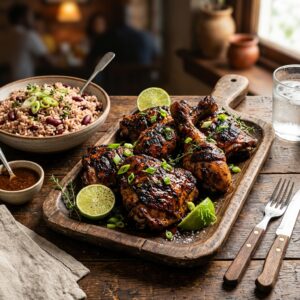
Authentic Jamaican Jerk Chicken: The Definitive Guide
Quick Answer: Authentic Jamaican Jerk Chicken is defined by its complex, fiery balance of Scotch bonnet peppers, allspice (pimento berries), fresh thyme, garlic, ginger, and scallions, traditionally slow-cooked over green pimento wood coals. To replicate this iconic flavor at home, marinate high-quality chicken in a fresh wet jerk marinade for 12 to 24 hours, then slow-grill over indirect heat with pimento or pecan wood chips to infuse deep, smoky undertones while preserving absolute juiciness.
The Sacred Roots of Jamaican Jerk Cooking
To understand authentic jerk chicken, one must journey back to the 17th century in the lush, rugged Blue Mountains of Jamaica. The word “jerk” is believed to derive from the Spanish word charqui (meaning dried or cured strips of meat, which also gave us the word “jerky”), but the cooking method itself belongs to the Jamaican Maroons. The Maroons were escaped African slaves who fled into the dense mountainous interior during the British takeover of the island from Spain.
In order to survive without alerting British soldiers to their hidden settlements, the Maroons developed a highly sophisticated method of pit cooking. They hunted wild boars and preserved the meat using a thick paste of salt, hot peppers, and native pimento berries (allspice). To cook the meat without producing visible smoke that would give away their position, they dug deep pits, lined them with green pimento wood, covered the meat with pimento leaves, and buried the pits under dirt and ash. This slow, low-oxygen cooking process not only smoked and tenderized the tough wild game but also allowed the preservative spice paste to penetrate deep into the bone.
Today, this legendary technique has evolved from a survival tactic into a cornerstone of Caribbean cuisine. In Jamaica, jerk is cooked at roadside “jerk stands” in open-air pits or cut-open steel drums (often called pan chicken). What remains unchanged is the reliance on pimento wood and the holy trinity of jerk seasonings: Scotch bonnet peppers, allspice, and fresh thyme. You can read more about the rich history of this culinary art on the Wikipedia page for Jamaican Jerk.
Jerk Marinade vs. Jerk Rub vs. Barbecue Sauce
While the terms are sometimes used interchangeably in modern grilling, there are distinct differences between a traditional wet jerk marinade, a dry jerk rub, and classic Western barbecue sauces. Understanding these differences is crucial to achieving the correct texture, spice penetration, and bark on your meat.
| Feature | Jerk Wet Marinade | Jerk Dry Rub | Standard Barbecue Sauce |
|---|---|---|---|
| Heat Level | Very High (Intense Scotch Bonnet heat) | Moderate to High (Cayenne and red pepper) | Mild to Sweet (Occasionally smoky/tangy) |
| Key Spices & Aromatics | Fresh scallions, ginger, thyme, allspice, nutmeg | Ground allspice, brown sugar, garlic powder, onion powder | Tomato paste, vinegar, molasses, liquid smoke |
| Primary Cook Method | Slow smoke or indirect grilling | Quick high-heat grilling or roasting | Basting during the final 15 minutes of cooking |
| Traditional Wood Pairing | Pimento wood (Allspice tree), Sweet wood | Pimento, Pecan, or Applewood | Hickory, Mesquite, or Oak |
| Flavor Profile | Herbaceous, sharp, deeply spicy, and complex | Sweet, warm-spiced, crusty, and savory | Sweet, tangy, tomato-forward, and smoky |
Choosing Your Ingredients
For the ultimate result, select the best cuts of chicken and high-quality spices. Bone-in, skin-on chicken thighs and drumsticks are the best options because they retain moisture and stand up well to prolonged grilling. You can browse fresh, premium poultry cuts at our Meat & Seafood Department.
To prepare the marinade, you will also need aromatic herbs and ground spices. Make sure your pantry is stocked with fresh pimento berries, nutmeg, and cinnamon by visiting our Spices & Seasonings Selection.
The Ultimate Authentic Jerk Chicken Recipe
This recipe focuses on the traditional wet-marinade method, which yields the most tender, flavorful, and culturally accurate representation of Jamaican jerk chicken.
Ingredients Needed
- 4 lbs bone-in, skin-on chicken thighs and drumsticks
- 3-4 Scotch bonnet peppers (seeded for less heat, or left whole for maximum heat)
- 1 bunch of scallions (green onions), chopped
- 1 medium red onion, chopped
- 5-6 cloves of garlic
- 2 tbsp fresh ginger, peeled and sliced
- 2 tbsp fresh thyme leaves (or 1 tbsp dried thyme)
- 2 tbsp ground allspice (pimento berries)
- 1 tsp freshly grated nutmeg
- 1 tsp ground cinnamon
- 1 tbsp dark brown sugar
- Juice of 2 limes
- 2 tbsp soy sauce (adds depth and umami)
- 1 tbsp vegetable oil
- 1 tsp coarse kosher salt and black pepper to taste
Step-by-Step Preparation Guide
- Prepare the Jerk Wet Marinade: In a food processor or high-speed blender, combine the Scotch bonnet peppers, scallions, red onion, garlic, ginger, thyme, ground allspice, nutmeg, cinnamon, brown sugar, lime juice, soy sauce, vegetable oil, salt, and black pepper. Blend until a thick, slightly textured paste forms.
- Prep and Marinate the Chicken: Pat the chicken dry with paper towels. Make shallow slashes in the thickest parts of the chicken to allow the marinade to penetrate deeper. Place the chicken in a large glass dish or a zip-top freezer bag. Pour the marinade over the chicken, ensuring every piece is completely coated. Massage the marinade into the slashes. Seal and refrigerate for at least 12 hours, preferably 24 hours.
- Set Up Your Grill: Prepare your grill for indirect cooking. If using a charcoal grill, pile the hot coals to one side. If using a gas grill, light only half of the burners. Aim for a stable internal grill temperature of 275°F to 300°F (135°C to 150°C).
- Introduce the Smoke: Add pimento wood chips (soaked in water for 30 minutes) directly onto the hot charcoal, or place them in a foil packet/smoker box over the active burner on a gas grill. If you cannot find pimento wood, a mix of pecan wood and dried allspice berries thrown onto the coals makes an excellent substitute.
- Slow Cook Indirectly: Place the chicken pieces skin-side up on the cool side of the grill (away from direct flames). Close the lid and cook for about 45 to 60 minutes, maintaining the temperature around 300°F. The smoke should run thin and blue, not thick and white.
- Sear for the Perfect Char: Once the internal temperature of the chicken reaches 155°F (68°C), move the chicken pieces directly over the hot coals or active burners. Grill for 3 to 5 minutes per side, skin-side down first, to crisp the skin and develop those signature charred jerk edges. Watch closely to prevent flare-ups.
- Rest and Carve: Remove the chicken from the grill once it reaches an internal temperature of 165°F (74°C) for breasts, or 175°F (80°C) for thighs and drumsticks. Transfer to a cutting board and let rest for 10 minutes before carving and serving.
Troubleshooting & Pro Tips
- Managing the Heat: Scotch bonnet peppers are exceptionally hot (ranging from 100,000 to 350,000 Scoville Heat Units). Always wear gloves when handling them. To tone down the heat without losing the iconic fruity pepper flavor, scrape out and discard the seeds and white inner membranes before blending.
- Simulating Pimento Wood: True pimento wood is difficult to source outside of Jamaica. To recreate its distinct herbal smoke, soak pecan or oak wood chips, and mix in 2 tablespoons of whole allspice berries and a handful of fresh bay leaves before placing them on the hot coals.
- Preventing Dry Breast Meat: If cooking a whole chicken or breast cuts, keep the skin on to protect the meat. Place breast pieces furthest from the direct heat source and remove them as soon as they reach 165°F (74°C). Dark meat is much more forgiving and can easily handle temperatures up to 180°F while staying juicy.
- Don’t Skip the Resting Phase: Resting the cooked chicken allows the hot juices to redistribute throughout the muscle fibers. Cutting into the chicken immediately will cause all the moisture to run out onto the board, leaving you with dry meat.