Blog
Authentic Nigerian Suya: The Professional Grill Master’s Guide
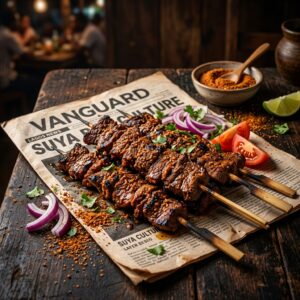
Quick Answer: Authentic Nigerian Suya is a popular West African street food made of thinly sliced skewered meat coated in a spicy peanut-based seasoning called Yaji, then grilled over open hardwood charcoal. To make professional-grade suya at home, you must slice beef (like flank or ribeye) paper-thin against the grain, rub it thoroughly with a high-quality Yaji spice blend, skewer the meat tightly, and grill it over medium-high heat until charred and smoky. Traditional suya is served hot, wrapped in newspaper, alongside raw red onions, sliced cabbage, and extra Yaji seasoning.
The Cultural Heritage of Suya: Hausa Mallams and Street Food Culture
Suya is not just a food item; it is a sensory, communal, and cultural experience deeply woven into the fabric of Nigerian street food culture. Originating in Northern Nigeria, suya was traditionally created by the nomadic Hausa-Fulani people. Over generations, the art of making suya became the specialized craft of the “Mallams” (sometimes referred to as Mai Suya), who set up their glowing charcoal grills at roadside stalls as dusk fell, filling the night air with an irresistible aroma of roasted peanuts, sizzling fat, and pungent spices.
At the absolute heart of authentic suya is Yaji seasoning, a complex dry spice rub. The foundation of Yaji is defatted ground peanut cake (known as kulikuli), which is ground into a fine powder and combined with hot chili peppers (cayenne or habanero), ginger, garlic, salt, bouillon cubes, and traditional African spices like Uda (selim pepper) and Kankuru. This blend is what gives suya its distinctive nutty, fiery, and deeply savory profile. Whether you are using tender cuts of meat and seafood or creating custom spice rubs using premium spices and seasonings, mastering the balance of Yaji is key to achieving that signature street-food taste.
Comparing Suya Varieties: Beef vs. Chicken vs. Ram vs. Gizzard
While beef is the most iconic protein used for suya, skilled grill masters employ a wide variety of meats, each possessing unique fat contents, cooking times, and textures. The table below compares the four most popular varieties of suya found on the streets of Lagos, Abuja, and Kano:
| Suya Type | Fat Content | Grilling Duration | Tenderness | Yaji Spice Absorption |
|---|---|---|---|---|
| Beef Suya | Moderate | 6 to 8 minutes | High (when cut correctly) | Excellent (clings to thin slices) |
| Chicken Suya | Low (breast) / Medium (thigh) | 10 to 12 minutes | Very High (juicy) | Moderate (needs longer marination) |
| Ram Suya | High | 8 to 10 minutes | Medium (gamey & chewy) | Excellent (fat carries the flavor) |
| Gizzard Suya | Low | 12 to 15 minutes | Low (firm & crunchy) | Low to Moderate (requires parboiling) |
The Step-by-Step Grill Master’s Guide to Beef Suya
To replicate the authentic, smoky, melt-in-your-mouth texture of Nigerian street suya, follow this precise professional preparation and grilling method.
Step 1: Selecting and Slicing the Beef
For the best results, use beef cuts that have a fine grain and moderate fat marination, such as flank steak, sirloin, or ribeye. To make slicing easier, freeze the beef for 30 to 45 minutes until firm but not rock-hard. Using a very sharp chef’s knife, slice the beef across the grain into paper-thin strips (approximately 1/8 inch thick). Slicing across the grain breaks down the tough muscle fibers, ensuring the meat is incredibly tender and easy to bite through after grilling.
Step 2: Coating with Yaji Seasoning
Generously dust the sliced beef with your Yaji spice blend. You can buy authentic suya spice online or blend your own. Gently massage the spice mix into every fold of the meat, ensuring a uniform, thick coating. Once coated, drizzle a small amount of neutral cooking oil (like peanut or vegetable oil) over the spiced meat. The oil hydrates the spices, helps the peanut powder adhere to the meat, and prevents it from burning or drying out during the cook.
Step 3: Threading and Skewering
If you are using wooden bamboo skewers, soak them in water for at least 30 minutes to prevent them from catching fire on the grill. Carefully thread the thin strips of beef onto the skewers accordion-style, keeping the meat flat, tight, and compact. This ensures even cooking and prevents any loose edges from burning over the heat. Once threaded, pat another light dusting of Yaji spice onto the skewered meat.
Step 4: The Grilling Technique
Prepare your grill for direct medium-high heat (around 400°F/204°C). Traditionally, hardwood lump charcoal is used to infuse a deep, woodsy smoke. Lay the skewers on the hot, lightly oiled grill grates. Grill for 3 to 4 minutes per side, brushing lightly with extra oil or melted butter when turning. The suya is ready when the edges are beautifully charred, the meat is cooked through but tender, and the spices have formed a dry, fragrant crust. Rest the suya for 2 minutes before serving.
Troubleshooting & Pro Tips for Perfect Suya
- How to get Yaji to stick: If your spice rub is falling off, apply a thin layer of mustard or neutral oil to the meat before dusting it with the Yaji seasoning. This acts as a binder, locking the ground peanuts and spices to the surface of the beef.
- Preventing dry, tough meat: Do not overcook the thin slices of beef. Because they are sliced so thinly, they only require a few minutes of heat. Brush the skewers with a mix of peanut oil and a pinch of Yaji midway through grilling to lock in moisture.
- Replicating charcoal flavor on electric or gas grills: If you are using an indoor electric grill or a gas grill, you can replicate the signature street-food smokiness by adding a few drops of high-quality liquid smoke to your oil brush, or using a smoking box filled with hickory or oak wood chips.
- Let the spice rest: For the deepest flavor penetration, let the seasoned skewers sit in the refrigerator for 1 to 2 hours before grilling. This allows the ginger and garlic in the Yaji to tenderize the meat while the peanut oils fuse with the beef.
For more details on the rich culinary traditions of West African cooking, check out the Wikipedia history of Suya. Additionally, always follow the USDA food safety guidelines for handling and cooking raw meats to the proper internal temperature.