
Blog
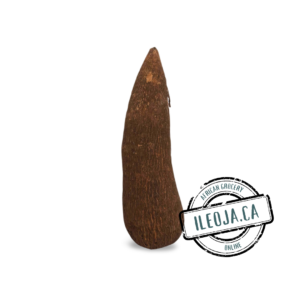
The Definitive Pounded Yam Guide: The King of Swallows
Quick Answer: Perfect pounded yam (also known as Iyan or the “King of Swallows”) is traditionally prepared by boiling peeled chunks of mature white puna yam until fork-tender, then pounding them in a wooden mortar and pestle until they form a smooth, stretchy, and pillowy dough. For a modern shortcut, you can achieve a similar stretchy texture using a high-powered food processor or stand mixer with a paddle attachment, or opt for convenient pre-packaged instant flour. Serve it hot alongside rich West African soups like Egusi or Ogbono for the ultimate cultural culinary experience.
The Cultural Majesty of the King of Swallows
In West African cuisine, particularly in Nigeria and Ghana, swallows—thick, starchy doughs used to scoop up soups and stews—are a dietary staple. Among them all, pounded yam reigns supreme as the undisputed “King of Swallows.” Known as Iyan in Yoruba, this prestigious dish is not merely food; it is a symbol of hospitality, wealth, and cultural heritage.
The culinary calendar of many West African societies revolves around the harvest of the white puna yam (Dioscorea rotundata). The annual New Yam Festival (known as Iri Ji in Igbo or Odun Otun in Yoruba) is a massive cultural celebration marking the end of the rainy season and the harvest of the king crop. During these festivals, the first yams harvested are offered to the ancestors and deity figures before being prepared into large bowls of fresh pounded yam. Preparing pounded yam traditionally is a labor of love that requires strength, coordination, and rhythm. The hollow, rhythmic thuds of a wooden pestle striking a mortar is a familiar, nostalgic sound that echoes through villages and compound kitchens during festive times.
However, modern kitchens have evolved. While purists argue that the authentic texture of pounded yam can only be achieved through manual yam pounding in a mortar and pestle, many home cooks and urban dwellers now rely on modern food processors, hand mixers, or dry yam flour / poundo mixes. These modern alternatives dramatically reduce preparation time and physical effort while keeping the beloved swallow accessible to busy families worldwide.
Fresh Pounded Yam vs. Instant Poundo Yam
Understanding the differences between the traditional fresh method and the modern instant convenience is key to setting expectations in the kitchen. Here is a direct comparison of the two options:
| Feature | Fresh Pounded Yam | Instant Poundo Yam |
|---|---|---|
| Preparation Time | 45 to 60 minutes (slicing, boiling, manual/machine pounding) | 10 to 15 minutes (whipping flour into boiling water) |
| Texture | Pillowy, incredibly smooth, and naturally heavy | Smooth but slightly lighter and less dense |
| Stretchiness (Elasticity) | High; forms a highly cohesive, stretchy dough when pounded properly | Moderate; relies on starch gelatinization without physical pounding |
| Aroma & Flavor | Rich, earthy, and naturally sweet aroma of freshly boiled white puna yam | Mildly sweet, but can sometimes have a subtle dehydrated grain aroma |
| Ingredient Source | 100% whole fresh white puna yam tuber | Dehydrated yam flour, often blended with potato/cassava starch for stretch |
Step-by-Step Preparation Guide
To make authentic pounded yam, you must start with the correct raw material. Only the mature white puna yam possesses the specific starch composition needed to yield a stretchy, cohesive swallow. Newly harvested “new yams” contain too much water and too little starch, which results in a watery, non-stretchy paste. Read on for the complete preparation guide, including both traditional and food processor methods.
Step 1: Selecting, Slicing, and Peeling the Yam
Select a firm, heavy white puna yam tuber. Cut the tuber crosswise into circular slices about 1 to 2 inches thick. Place each slice flat on your cutting board and carefully slice off the rough, dark brown outer bark. Cut the peeled white flesh into uniform medium-sized cubes. Rinse the yam cubes thoroughly in cold water to wash away excess surface dirt and starch.
Step 2: Boiling to Softness
Place the washed yam cubes into a large pot and add enough water to cover them completely. Do not add salt; salt can interfere with the starch structure needed for the perfect stretch. Bring to a boil over high heat, then reduce to medium-high. Let it boil for 20 to 25 minutes. Test for doneness by inserting a fork into the center of a yam cube: it must be completely soft, yielding easily without any resistance or hard center. The yams should look slightly translucent and release a sweet, comforting steam.
Step 3: The Pounding Process (Two Methods)
Ensure you work quickly while the yam cubes are hot. Cold yam will not pound smoothly and will result in a lumpy, stiff dough.
Method A: Traditional Mortar and Pestle (The Authentic Way)
Transfer the hot boiled yams into a clean wooden mortar. Do not add water initially. Begin pounding with a heavy wooden pestle in a rhythmic, circular downward motion. Mash the yams until they form a thick, uniform paste. As you continue to pound, the paste will begin to stick together. Once it forms a cohesive dough, add a splash of the hot yam-boiling water (1-2 tablespoons) to moisten it. Pound vigorously for another 5 to 10 minutes until the dough pulls cleanly away from the sides of the mortar and displays a glossy, stretchy elasticity.
Method B: Food Processor or Stand Mixer (The Modern Way)
If you do not have a mortar, transfer the hot boiled yam cubes directly into a food processor fitted with a sharp S-blade, or a stand mixer fitted with a sturdy paddle attachment. Process or mix on medium-high speed. The yams will first break down into crumbs, then form a thick paste, and finally wrap around the blade or paddle into a single, cohesive, stretchy ball. If the mixture looks dry or struggles to bind, add 1 to 2 tablespoons of hot yam-boiling water. Process for a total of 2 to 3 minutes until smooth and glossy.
Step 4: Shaping and Serving
Dip your hands or a wide serving spoon in a bowl of warm water to prevent sticking. Scoop the hot pounded yam and shape it into smooth, round mounds. Wrap the mounds tightly in plastic wrap or place them in an insulated food warmer to keep them soft and hot until serving. Serve alongside rich, flavorful soup categories such as Egusi, Ogbono, or Efo Riro. You can explore our premium soups and stews to find the perfect pairing for your swallow.
Troubleshooting & Pro Tips
Even seasoned home cooks occasionally run into texture issues. Use these time-tested pro tips to master the art of yam pounding:
- How to Handle Lumps: If you find lumps in your pounded yam, do not panic. Add 2 to 3 tablespoons of hot boiling water to the mixture, cover it for 2 minutes to let the heat penetrate, and then resume pounding or processing vigorously. The steam and moisture will soften the stubborn starch nodes and smooth out the texture.
- Restoring Stretch to Leftover Yam: Pounded yam will naturally stiffen and lose its stretch as it cools. To restore its pillowy texture, cut the cold yam into smaller pieces, place them in a microwave-safe bowl, sprinkle with a few tablespoons of water, and cover tightly. Microwave for 1 to 2 minutes until steaming hot, then transfer to a bowl and knead vigorously with a wooden spatula or spoon until the elasticity returns.
- Fixing Watery or Overly Soft Yam: If you accidentally added too much water and your swallow is runny, you can fix it by adding a small amount of dry instant poundo flour or potato starch. Stir it rapidly into the hot mixture over low heat on the stove, kneading constantly until the starch cooks through and absorbs the excess moisture, yielding a firm dough.
- Choose Mature Yams: Always look for dry-skinned, mature white puna yams (often imported from West Africa and sold at ethnic markets). Avoid using sweet yams, yellow yams, or yams with high moisture contents, as they lack the starch density required to form the stretchy binding characteristic of a true “King of Swallows.”
For more details on the origins and cultural significance of this staple food, you can read the Wikipedia article on Pounded Yam.