
Blog
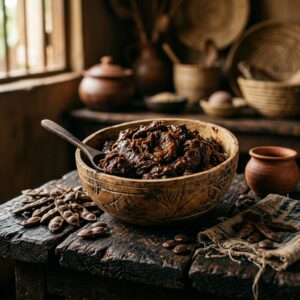
What Is Iru (Locust Beans)? Uses, Benefits & Cooking Guide
Quick Answer: Iru (also known as fermented locust beans or Dawadawa) is a traditional West African seasoning made from the seeds of the Parkia biglobosa tree. Treasured for its pungent, earthy aroma and intense umami depth, it is a foundational ingredient in Yoruba cuisine used to elevate soups, stews, and vegetable dishes while offering rich probiotic, protein, and cardiovascular health benefits.
Introduction & Cultural Context: The Heritage of Iru
In the vibrant tapestry of West African culinary traditions, few ingredients carry as much cultural weight, sensory power, and historical significance as iru. Known scientifically as the fermented seeds of Parkia biglobosa (African locust bean), iru is an ancient seasoning that has defined the flavor profile of Yoruba cuisine for generations. Before the introduction of processed bouillon cubes, West African cooks relied on the natural alchemy of fermentation to bring savory depth, known as umami, to their daily pots. Today, even with modern convenience seasonings readily available, iru remains irreplaceable for anyone seeking the authentic, deep-flavored soul of traditional Nigerian cooking.
The processing of iru is a craft traditionally passed down through lineages of women. The yellow, sweet pulp of the locust bean pod is stripped away to reveal hard, black seeds. These seeds undergo a labor-intensive journey: they are boiled for hours to soften the tough outer coats, dehulled by treading or rubbing, washed thoroughly, and then wrapped in leaves—often from the banana plant or Thaumatococcus daniellii—and left to undergo a natural alkaline fermentation. This fermentation process, mediated primarily by beneficial Bacillus species, breaks down complex proteins into flavorful amino acids, giving iru its signature ammonia-like aroma and rich, savory punch.
Depending on how the fermentation is managed and the post-fermentation treatment, iru is divided into two distinct culinary varieties:
- Iru Woro: This variety consists of whole, individual beans that are fermented and then slightly dried to maintain their shape. It has a firmer texture and is ideal for dishes where you want to see and bite into the individual beans, such as in Ofada stew (Ayamase) or native rice dishes.
- Iru Pete: This variety is fermented longer, often with the addition of a softening agent (like adi, a palm kernel extract) or salt, resulting in a soft, mashed, paste-like consistency. It is designed to dissolve completely into soups like Ewedu, Egusi, or Ogbono, dispersing its rich flavor evenly throughout the liquid.
You can source both traditional varieties of authentic Iru (fermented locust beans) and other essential West African seasonings directly from iLeOja.
Iru Woro vs. Iru Pete: A Side-by-Side Comparison
To help you choose the right style of fermented locust beans for your kitchen, here is a detailed breakdown of their differences, processing times, and optimal culinary applications:
| Feature | Iru Woro (Whole Beans) | Iru Pete (Mashed/Soft) |
|---|---|---|
| Fermentation Time | Standard (approx. 2–3 days) | Extended (approx. 3–4 days for maximum breakdown) |
| Texture & Form | Firm, loose, whole individual seeds | Soft, mushy, sticky paste-like consistency |
| Aroma Profile | Pungent, nutty, earthy | Intensely pungent, deep, with strong ammonia undertones |
| Best Culinary Uses | Ayamase (Ofada Stew), Jollof rice variations, stir-fried vegetables, native fried rice | Ewedu, Egusi soup, Ogbono soup, Okra soup, Gbegiri (bean soup) |
| Moisture Content | Low to medium (often sun-dried to prolong shelf life) | High (remains moist, paste-like, and soft) |
Scientific & Nutritional Breakdown: The Power of Fermentation
Beyond its culinary utility, iru is a nutritional powerhouse. During the alkaline fermentation process, microbial enzymes break down the anti-nutrients (like tannins and phytates) naturally present in raw locust beans, dramatically increasing the bioavailability of essential vitamins and minerals. According to scientific research on fermented African oilseeds, the fermentation of locust beans increases the digestible protein content and synthesizes key vitamins.
One of the most remarkable features of iru is its high concentration of free glutamic acid. As proteins are broken down during fermentation, glutamic acid is released, creating a natural form of monosodium glutamate (MSG). This is what gives iru its intense umami flavor, allowing cooks to reduce their added salt intake while maintaining a highly savory profile. Furthermore, because it is fermented, iru contains beneficial probiotics that support gut health, facilitate digestion, and strengthen the microbiome.
Below is an approximate nutritional breakdown of fermented locust beans per 100 grams:
| Nutritional Component | Value per 100g (Approx.) |
|---|---|
| Energy | 350–400 kcal |
| Crude Protein | 30g – 35g |
| Total Fats (Lipids) | 20g – 25g (primarily unsaturated fatty acids) |
| Dietary Fiber | 10g – 12g |
| Calcium | 250mg – 300mg |
| Iron | 5mg – 8mg |
| Key Microorganisms | Bacillus subtilis, Bacillus licheniformis (probiotic strains) |
Detailed Cooking Guide: How to Prep, Wash, and Cook with Iru
Cooking with fermented locust beans is an adventure in sensory evaluation. If you are new to iru, the initial aroma can be intimidating—it is deeply pungent and earthy, often compared to strong French cheeses or blue cheese. However, once introduced to heat and oil, this aroma undergoes a magnificent transformation, turning sweet, rich, and deeply savory.
Step 1: Inspecting and Washing Iru
Traditional iru is often processed in rustic environments, which means small, stray stones or sand particles can occasionally find their way into the batch. Always inspect and wash your iru before cooking:
- Place the iru (woro or pete) in a small bowl of clean, lukewarm water.
- Swirl the beans gently with your fingers. The stones and heavy sand particles will sink to the bottom, while the lighter beans will float or hover.
- Gently scoop the beans out with a small sieve or your hands, leaving the bottom sediment behind.
- Rinse the scooped beans under cold running water one more time. If using dried iru, you may let them soak in warm water for 5–10 minutes to rehydrate before adding them to your dish.
Step 2: Cooking and Recognizing Sensory Cues
Knowing when and how to add iru to your pot makes all the difference in the final taste of your dish. Follow these guidelines for optimal results:
- The Oil Sizzle: For stews like Ayamase or Ofada, add washed Iru Woro directly into the hot palm oil (after bleaching the oil). As the beans hit the hot oil, watch for the oil release and color change. The beans will puff up slightly, turn a deeper chocolate-brown color, and release their characteristic sharp pungency into the air. This initial fry infuses the fat with umami, which subsequently distributes the flavor evenly across the entire dish.
- The Soup Dissolve: When preparing soups like Egusi or Ewedu, add Iru Pete after your stock has begun to simmer. Use your cooking spoon to gently mash the soft paste against the side of the pot. Watch as the soup liquid darkens slightly and develops a richer body. The ammonia-like smell will quickly mellow, giving way to a rich, comforting, and warm kitchen aroma. Pair these dishes with fresh traditional vegetables and leaves for an authentic dining experience.
Troubleshooting & Pro Tips for Using Iru
To ensure you get the absolute best out of your fermented locust beans, keep these essential kitchen tips in mind:
- How to Store Iru: Fresh iru has a high moisture content and will continue to ferment and spoil if left at room temperature. For short-term storage (up to a week), keep it in an airtight container in the refrigerator. For long-term storage, portion your iru into small freezer-safe bags and freeze it. Frozen iru preserves its flavor, texture, and probiotic qualities for up to six months.
- Managing the Aroma: If the aroma is too intense for your household, buy dried or semi-dried Iru Woro, which has a milder scent profile. You can also rinse the beans thoroughly in hot water prior to cooking to wash away some of the surface compounds responsible for the strongest smell.
- Substitute Options: If you run out of iru, the closest substitutes are other fermented seed condiments, such as Dawadawa, Ogiri (made from fermented melon or oil bean seeds), or Japanese Miso paste. While miso lacks the distinct wild-fermented pungency of iru, it provides a similar glutamic-acid-driven umami base.
Frequently Asked Questions About Iru
Here are answers to some of the most common questions about sourcing, cooking, and enjoying fermented locust beans:
Are iru and dawadawa the same thing?
Yes, they are essentially the same product made from the seeds of the African locust bean tree (Parkia biglobosa). “Iru” is the Yoruba name, whereas “Dawadawa” is the Hausa name commonly used across Northern Nigeria, Ghana, and other parts of West Africa. However, dawadawa is often pressed into hard cakes or disks, while iru is usually sold in loose, soft, or semi-dried forms.
Does iru go bad?
Because it is a fermented product, iru is highly stable, but fresh iru will eventually spoil or dry out if not stored correctly. If you notice mold growth, an overly sour taste, or a slimy coating that wasn’t there before, it is best to discard it.
Can I use iru in vegan and vegetarian cooking?
Absolutely! Iru is an excellent tool for vegan and vegetarian chefs. Because of its intense natural glutamate content, it delivers the deep, savory “meaty” qualities usually provided by meat stocks, dried fish, or crayfish, making it a plant-based flavor enhancer.